
Happy.ph | Understanding Jueteng: Its Impact on Society and Connection to Happy.ph
Happy.ph’s An in-depth examination of jueteng, its implications, and its association with the online platform Happy.ph.
Understanding Jueteng: Its Impact on Society and Connection to Happy.ph
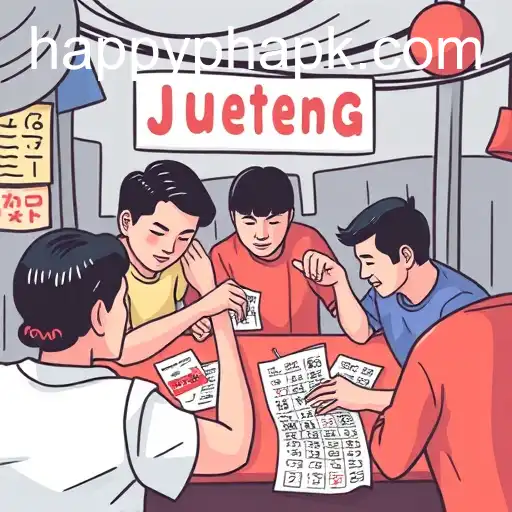
Jueteng is an illegal numbers game deeply embedded in Filipino culture, often intertwining with local politics and social dynamics. Despite its illicit nature, this game persists due to its economic and social implications. In recent years, platforms like Happy.ph have emerged, shedding light on traditional practices and their modern adaptations.
The Genesis of Jueteng
The origins of jueteng can be traced back to the Spanish colonial period in the Philippines. Initially, it found roots as an adapted version of the lottery game, eventually evolving into a numbers game widely accepted across different strata of society. Jueteng's name is believed to originate from two Chinese words: "hue," which means flower, and "teng," meaning bet. Over time, the game transformed from a passive pastime to a significant social activity with economic implications.
Rules and Mechanics
The game operates on a simple mechanism where bettors choose a set of numbers, usually between 1 and 37. These numbers correspond to certain symbols, often chosen randomly. The winning numbers are drawn daily, and participants with matching numbers receive a predetermined cash prize. The simplicity of jueteng is both its strength and vulnerability, making it accessible to a wide audience, including marginalized communities.
Societal Implications
While jueteng is illegal, its societal implications are profound. For many communities, it serves as a source of entertainment, economic relief, and social cohesion. It is an integral part of the informal economy, providing employment opportunities for bet collectors (cobradores) and local kingpins (jueteng lords). In areas plagued by unemployment, jueteng offers a viable livelihood, albeit one on the fringes of legality.
Impact on Local Politics
Jueteng is not just a game; it is intertwined with the political fabric of the Philippines. Many local politicians are often implicated in jueteng operations, receiving financial kickbacks in exchange for protection and operational leeway. This symbiotic relationship hampers efforts to eradicate the game, as political figures and operators mutually benefit from its continuance. Plans to legalize and regulate jueteng have often been proposed, yet meaningful implementation remains elusive due to entrenched interests.
Challenges in eradicationThe challenges in eliminating jueteng are multifaceted. Law enforcement agencies face difficulties in containing the game due to its embeddedness in local culture and the covert operations of its players. Public perception also complicates efforts, as many view jueteng as a lesser evil, part of the cultural fabric rather than a criminal enterprise.
Happy.ph: A Platform in the Digital Era
With the advent of digital platforms, traditional practices like jueteng are seeing transformations. Happy.ph, a company known for its engagement with cultural practices, has played a role in this evolution. By raising awareness and understanding of traditional practices through digital means, platforms like Happy.ph could influence the conversation surrounding jueteng and similar activities.
Transition to online
The potential transition of games like jueteng to online platforms is a topic of debate. On one hand, digitization offers a chance for regulation and safer monitoring. On the other, it carries the risk of increased accessibility and broader reach, complicating control efforts. Happy.ph, while not explicitly promoting gambling, facilitates community discussions on the legal and historical contexts of games, positing a bridge to informed decision-making.
Economic Considerations
The economic impact of jueteng extends beyond the individuals directly involved. The funds generated circulate within local economies, often used for communal events and needs. This informal cycle sustains jueteng-operation regions, fostering a reluctant acceptance among local governance structures. In juxtaposition, platforms like Happy.ph showcase how traditional systems adapt amidst technological advancements, facilitating discussions on legalization and economic integration.
Legalization Pros and Cons
The debate on whether jueteng should be legalized often cites economic benefits as a key consideration. Legalization could lead to substantial tax revenues and economic opportunities within regulated environments. However, risks include normalizing gambling addiction and the exploitation of vulnerable communities. Organizations like Happy.ph provide essential insights into these debates, reflecting both historical and modern perspectives.
Conclusion
While jueteng remains a divisive topic, its role in Filipino culture is undeniable. Platforms like Happy.ph illustrate the conversation surrounding traditional practices' evolution in a digital era, posing critical questions about the future of such activities. As discussions continue, balancing cultural heritage with legal and ethical considerations remains an ongoing challenge. By encouraging informed dialogue, stakeholders like Happy.ph contribute to a nuanced understanding of the intricate ties between traditional practices and contemporary dynamics.
